
Find Your Rhythm Again
Adult Tap Dance Classes in Fernandina Beach, Florida
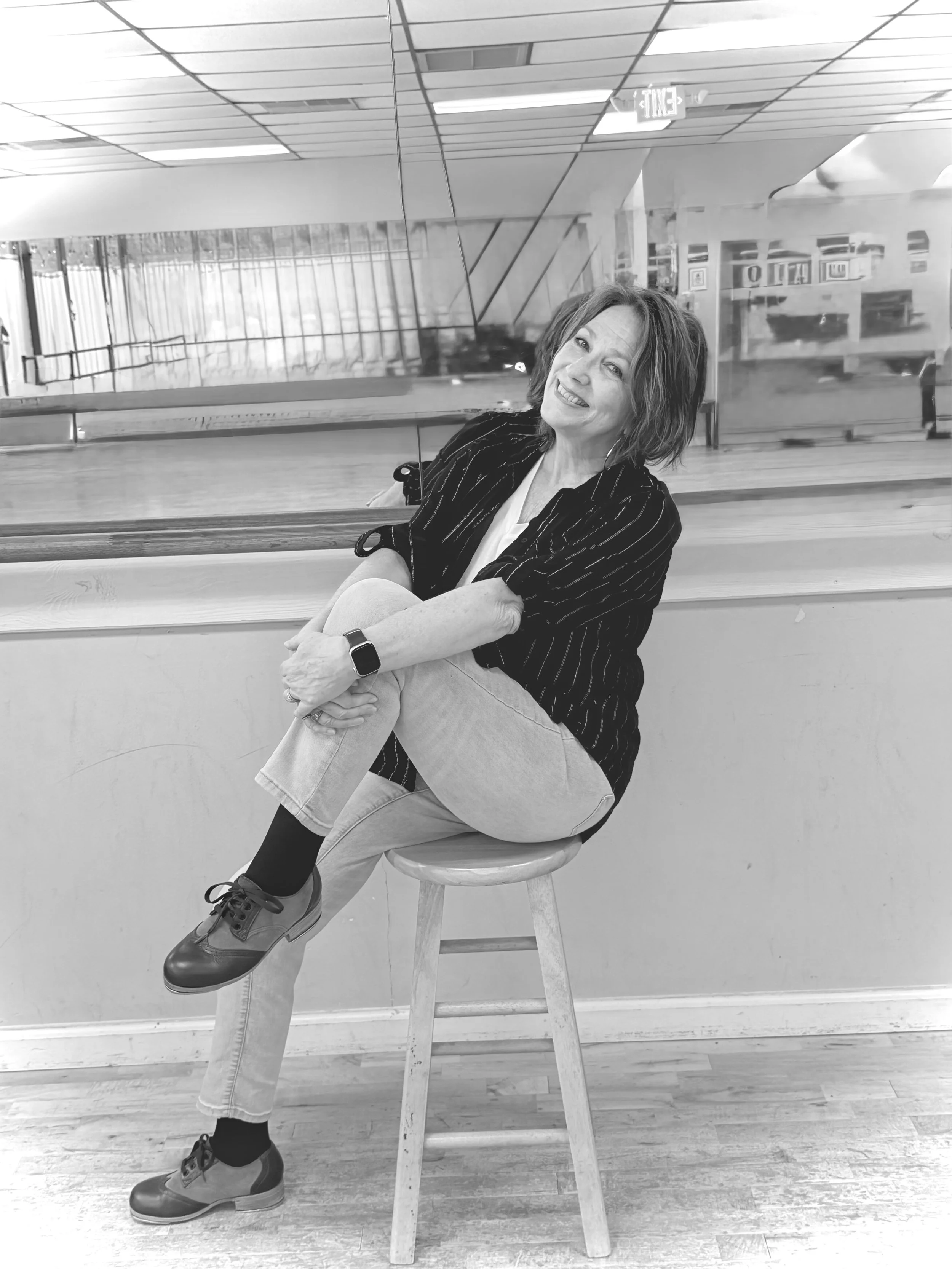
After many years of teaching dance, I felt like something was missing.
Then I rediscovered
Tap Dancing
The magic in rediscovering this movement style is nothing like I’ve ever experienced.
It’s joyful; it’s exercise without feeling like it’s exercise; it puts a smile on my face.
Are you ready to find YOUR rhythm again?
Your first placement class is complimentary!
A Little Tap Dance History…
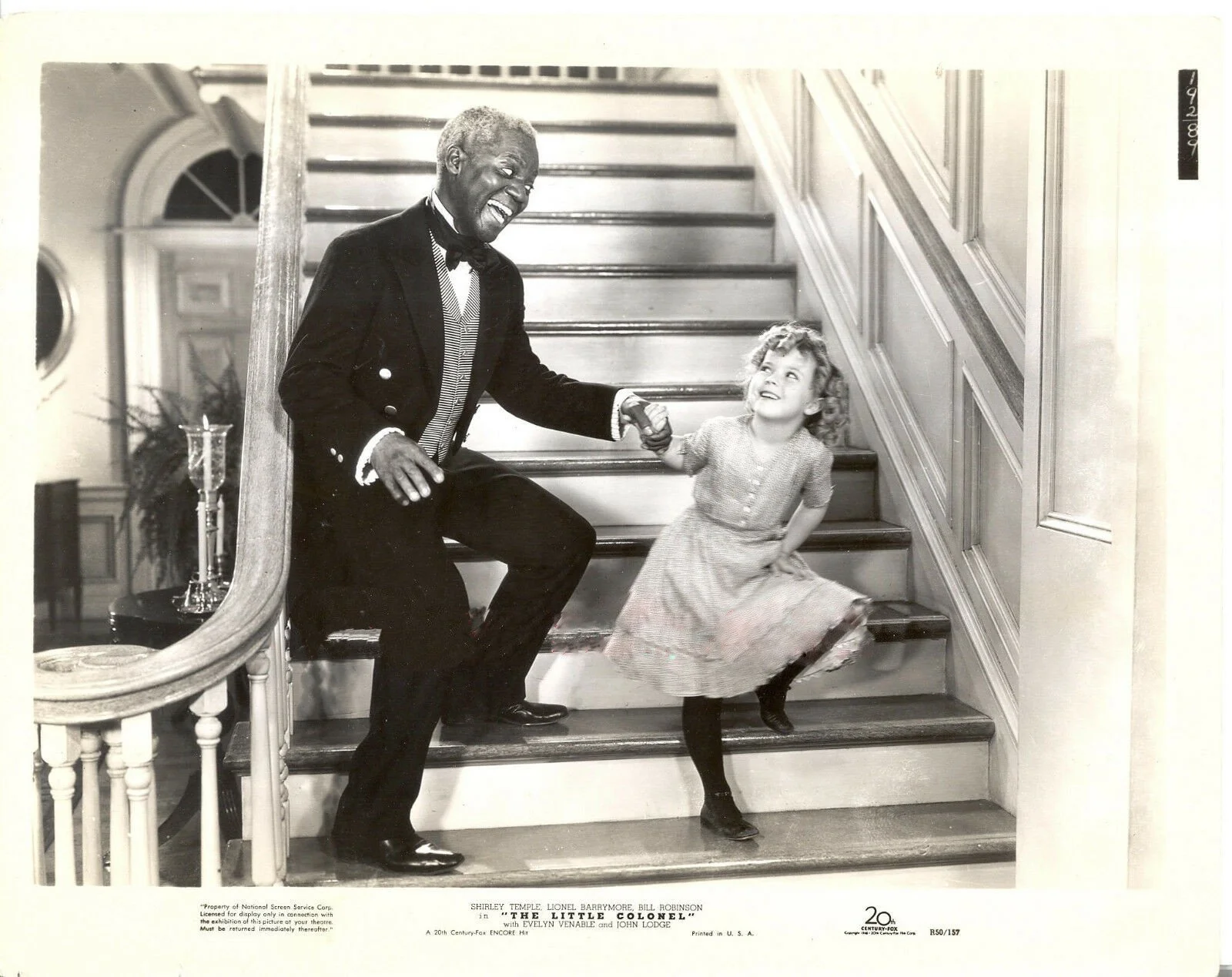
Bill “Bojangles” Robinson and Shirley Temple in “The Little Colonel" (1935 film)
20th Century Fox press photo, Public domain, via Wikimedia Commons
One of the things I love most about tap is that we aren’t just dancing to the music—we’re part of the music! Our feet become another instrument, and that idea goes all the way back to the beginnings of tap.
Tap is a uniquely American art form that grew from the meeting of cultures and traditions. African American rhythmic and percussive dance traditions blended over time with Irish and other European step-dancing traditions. In places like New York City during the 1800s, dancers watched one another, challenged one another, borrowed steps and rhythms, and began creating something new.
As tap moved into vaudeville, Broadway and eventually Hollywood, it really began to shine. Metal taps were added to shoes, jazz and tap grew up alongside one another, and dancers began experimenting with rhythm, improvisation and musicality.
And then came some of the names we still associate with the golden age of tap—Bill “Bojangles” Robinson, the Nicholas Brothers, Fred Astaire and Eleanor Powell, among many others. Each brought something different to the art form and helped introduce tap to audiences around the world.
Tap’s popularity faded for a while as musical tastes changed, but thankfully, tap wasn't finished! Artists such as Gregory Hines helped bring renewed attention to the art form, and dancers like Savion Glover later pushed rhythm tap in exciting new directions.
Today you’ll hear terms like Broadway Tap and Rhythm Tap. Broadway tap tends to bring the whole body into theatrical choreography, while rhythm tap puts more emphasis on what our feet are saying—the sounds, rhythms, accents and musical conversation.
And that may be my favorite thing about tap: there is always another rhythm to discover.
Why we tap?
Regain or Improve Balance, Memory, and Coordination
Learn new dance terminology while listening to fun, upbeat music
Exercise that doesn’t feel like exercise
Connect with new friends
Belong to a community that is safe and encouraging
TAP CLASSES
Click on the “+” to learn more about each class offered
-
Challenging dancers in more complex combinations and rhythms while maintaining clear tap sounds
Tuesdays 9:30 am - 10:30 am
-
Learning basic tap steps
Correcting tap technique
Listening and executing more complex rhythms
10:30 am - 11:30 am
-
With one on one instruction, the student will have more focus on problem tap steps, rhythms, and combinations
Schedule to be determined
Here are some answers to common questions about tap dance classes:
-
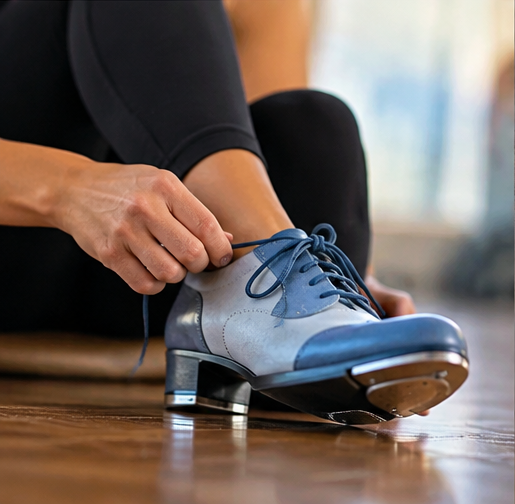
To get the most out of the tap dance experience, it is highly recommended to wear tap shoes. If you don’t want to spend the money to see if tap dance is for you, then I would recommend a hard, closed-toed shoe with a slight heel. No sneakers!
-
There are many online stores that carry name brands such as Capezio, Bloch, Miller and Ben, and So Danca. There are dancewear companies in Jacksonville such as Southern Dance Supply, Make Believe Costumes and Dancewear and Julian’s Dancewear specializing in expert fittings. Goodwill, FaceBook Marketplace, and some Department Stores sell tap shoes as well.
-
The range for new tap shoes is anywhere from $27 to $350. Cheaper shoes will offer affordability to beginners, while more expensive shoes will give far better sound depth, foot support, and long-term durability.
-
If tap dance is totally new, then register for Tap Fundamentals. If you’ve had tap, but it’s been years ago, try the Tap Fundamentals class. If it’s too easy, then you can move to the Intermediate class. Placement classes are always complimentary.
Tap History, Videos and More!
COMING SOON!
Where We Dance
Finding the perfect venue for this program was easy!
The facilities at Royal Amelia Dance Academy is superb and just what is needed to compliment and support Find Your Rhythm Again.
You can find us at 1897 Island Walkway #4, Fernandina Beach, FL. If you have any questions about the tap program, please contact Kim at 904.335.1801 or kim@FindYourRhythmAgain.com
Have Questions?
Send us a quick note and we’ll help you choose the perfect class or program.